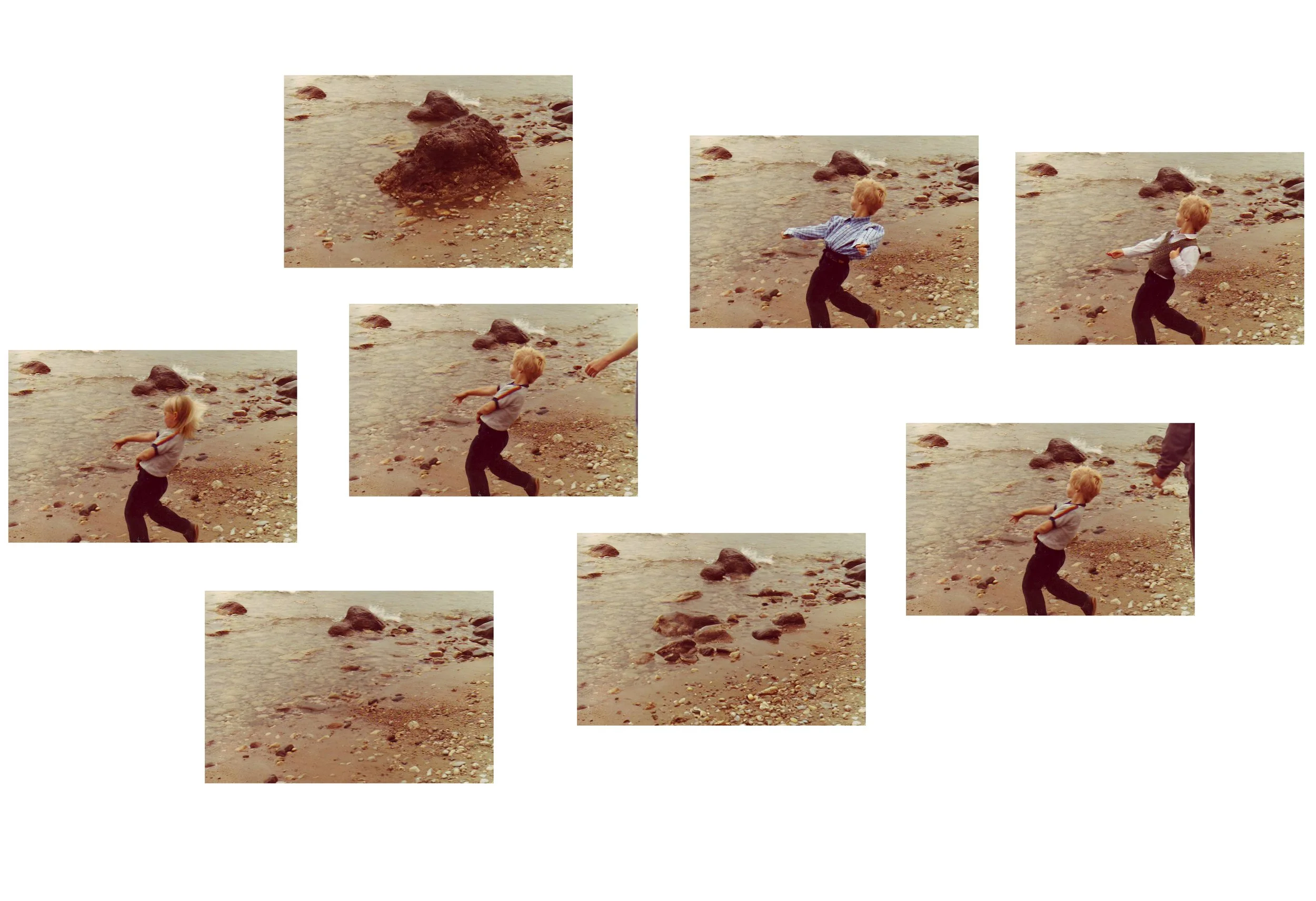
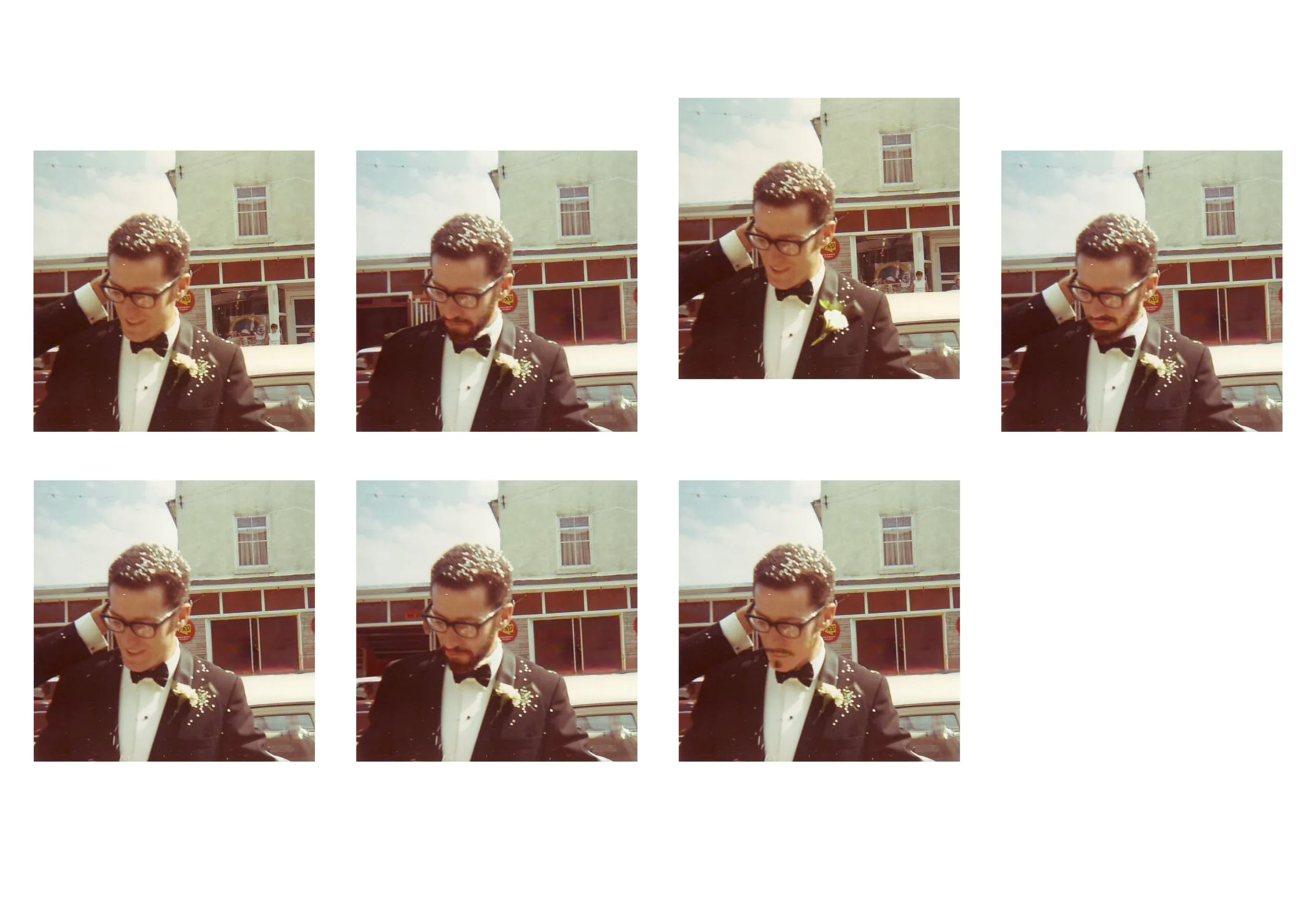
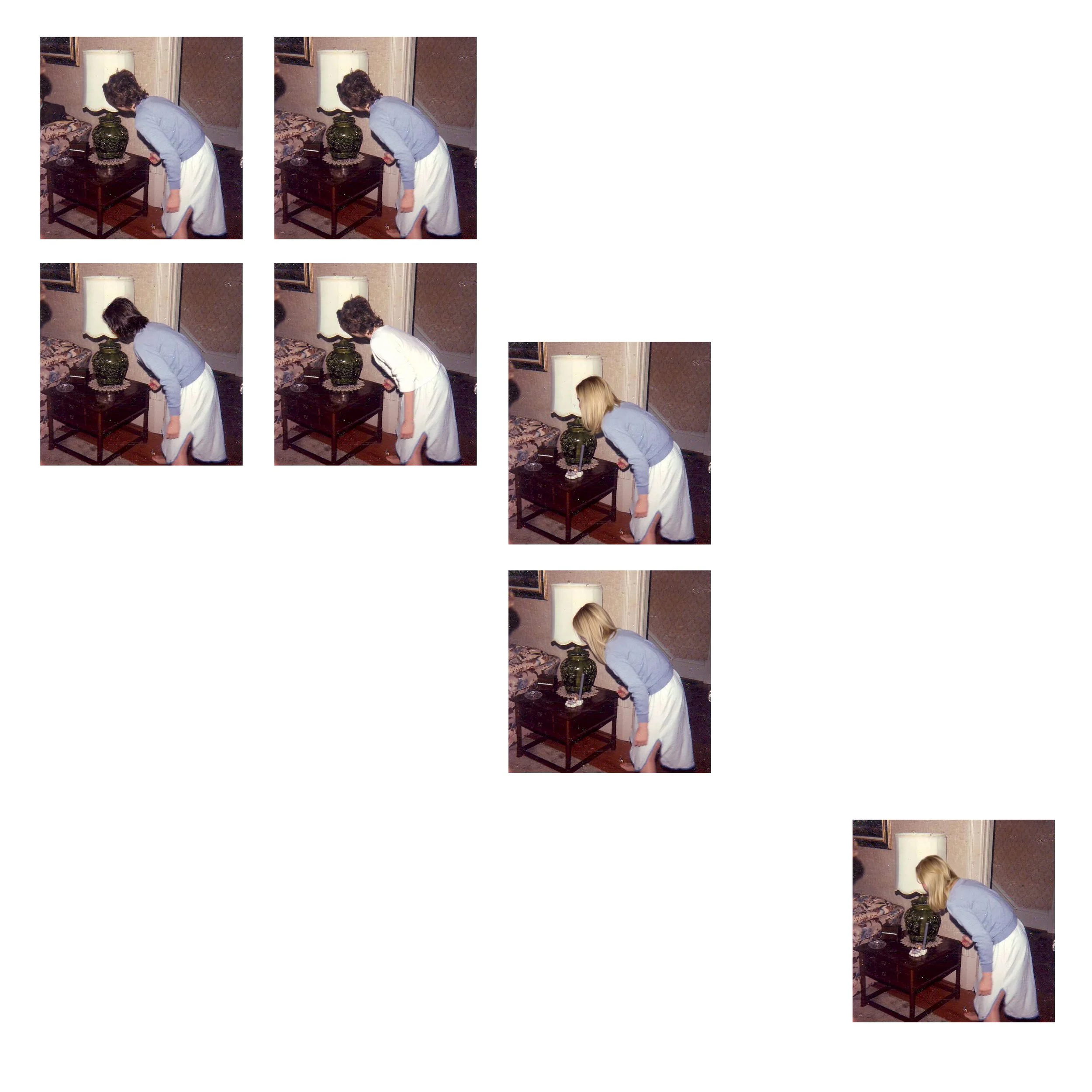
POLYGRAPH (2025)
The precarity of photography’s ability to represent the real has long been documented and increasingly discussed alongside technological advancements in image-making. This incremental progress has been exacerbated by generative AI and its steady evolution over the past few years. Like previous mechanical transitions, AI image-making marks a change in final product as well as process. Now, the link between human perception and the creation of the photograph is no longer a necessary requirement. This combination of unauthored images and a digital media landscape of consistent publication relocates the conversation from one about the truthfulness of an image’s contents to the construction of the image itself.
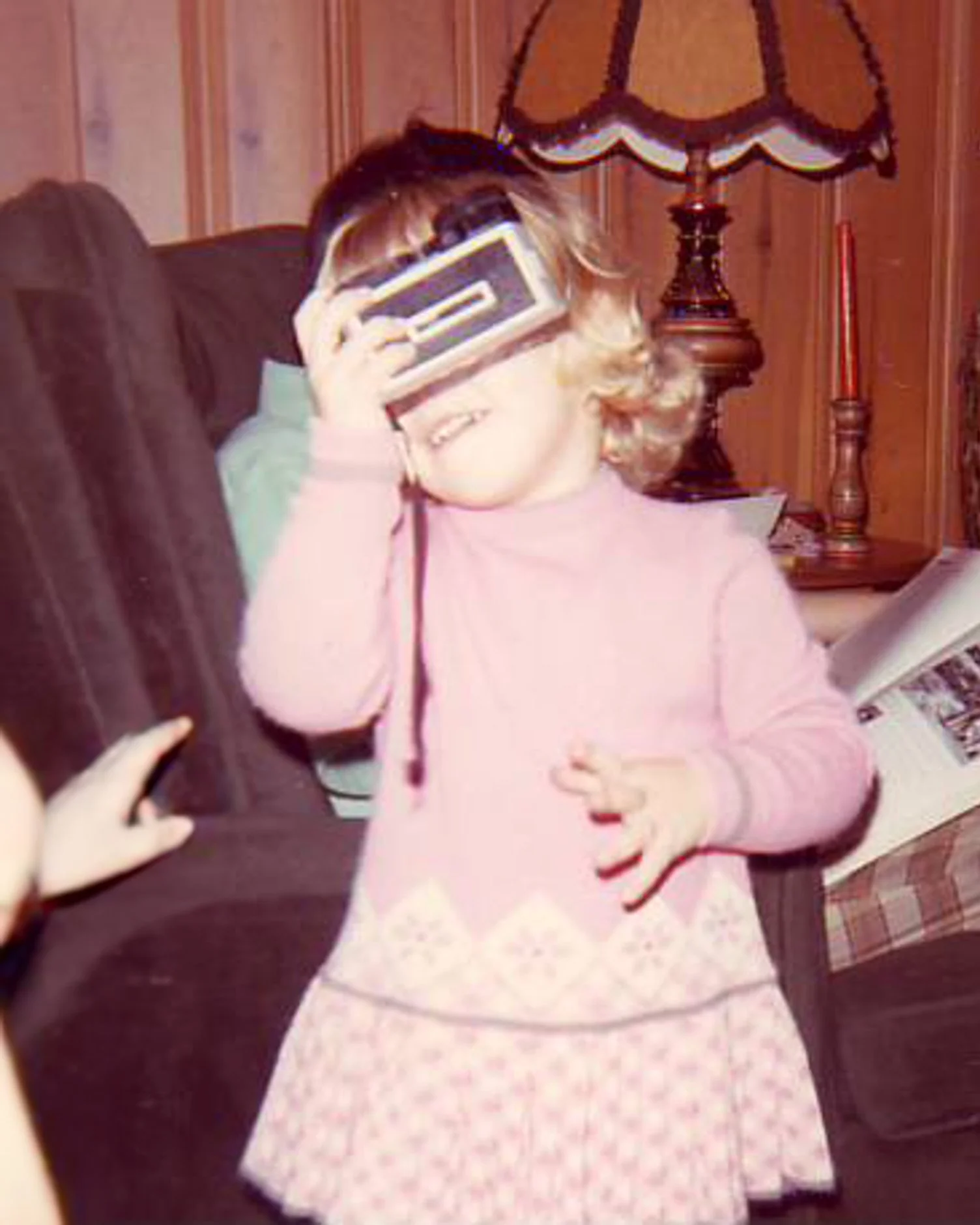
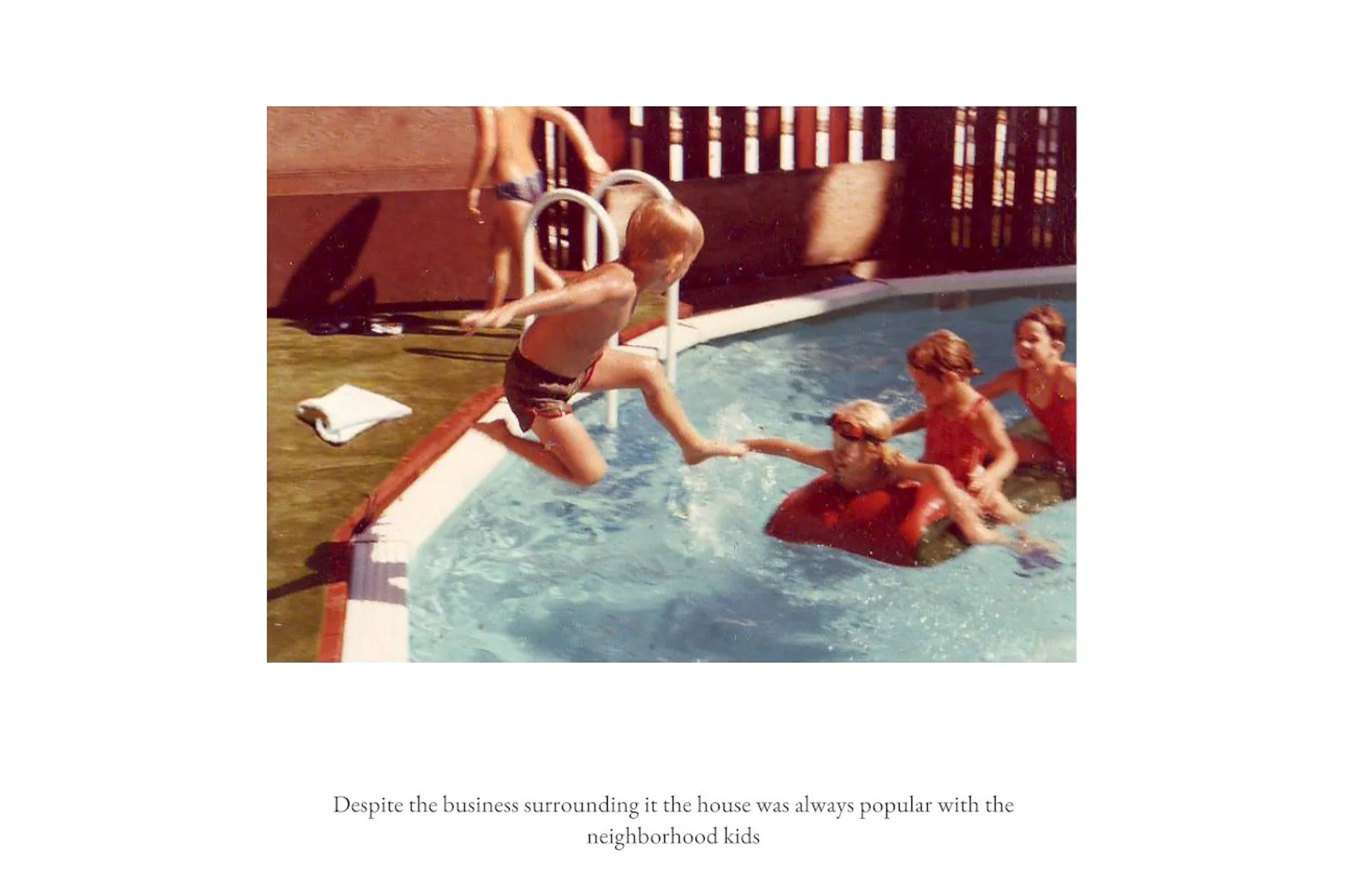
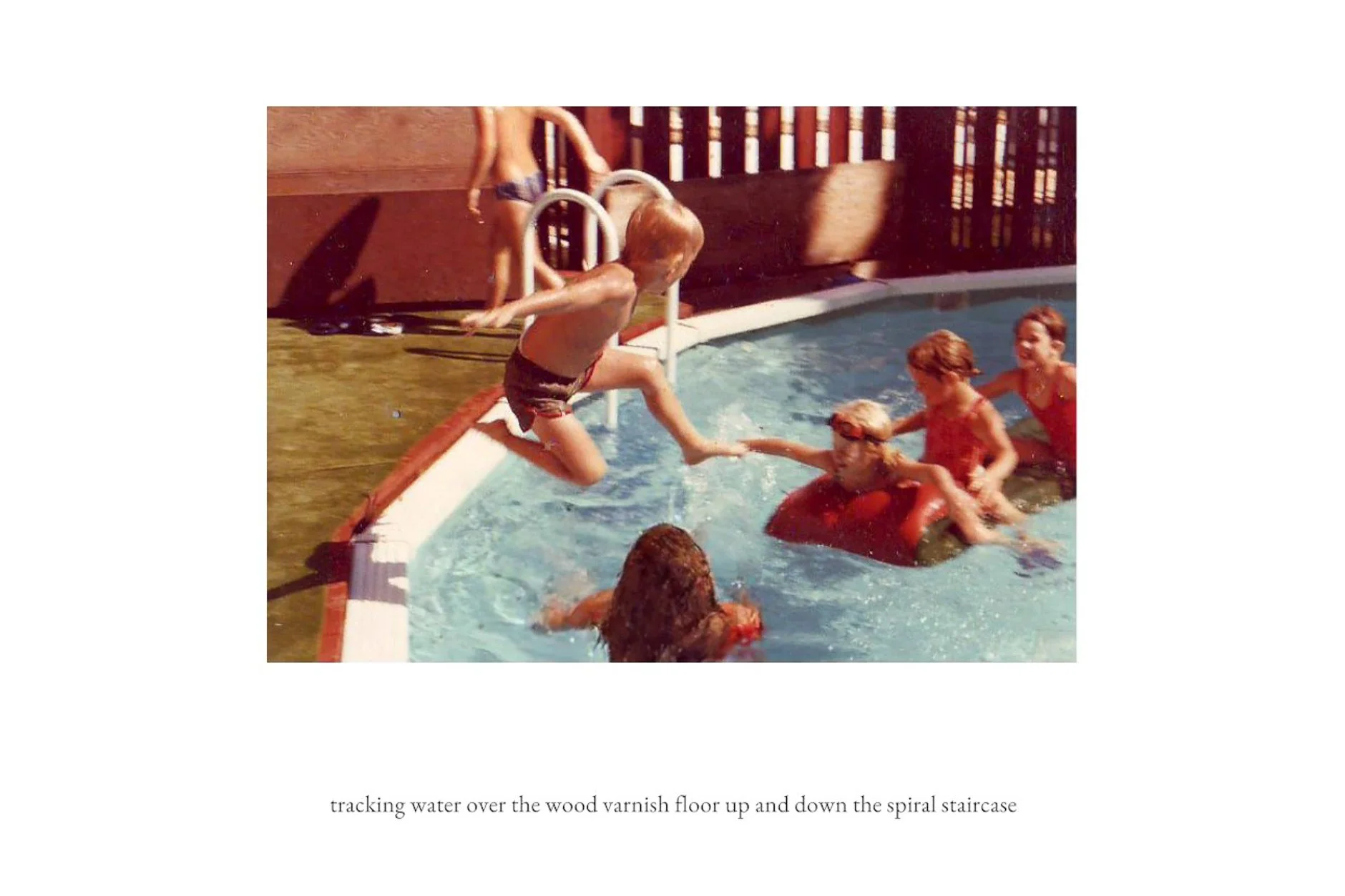
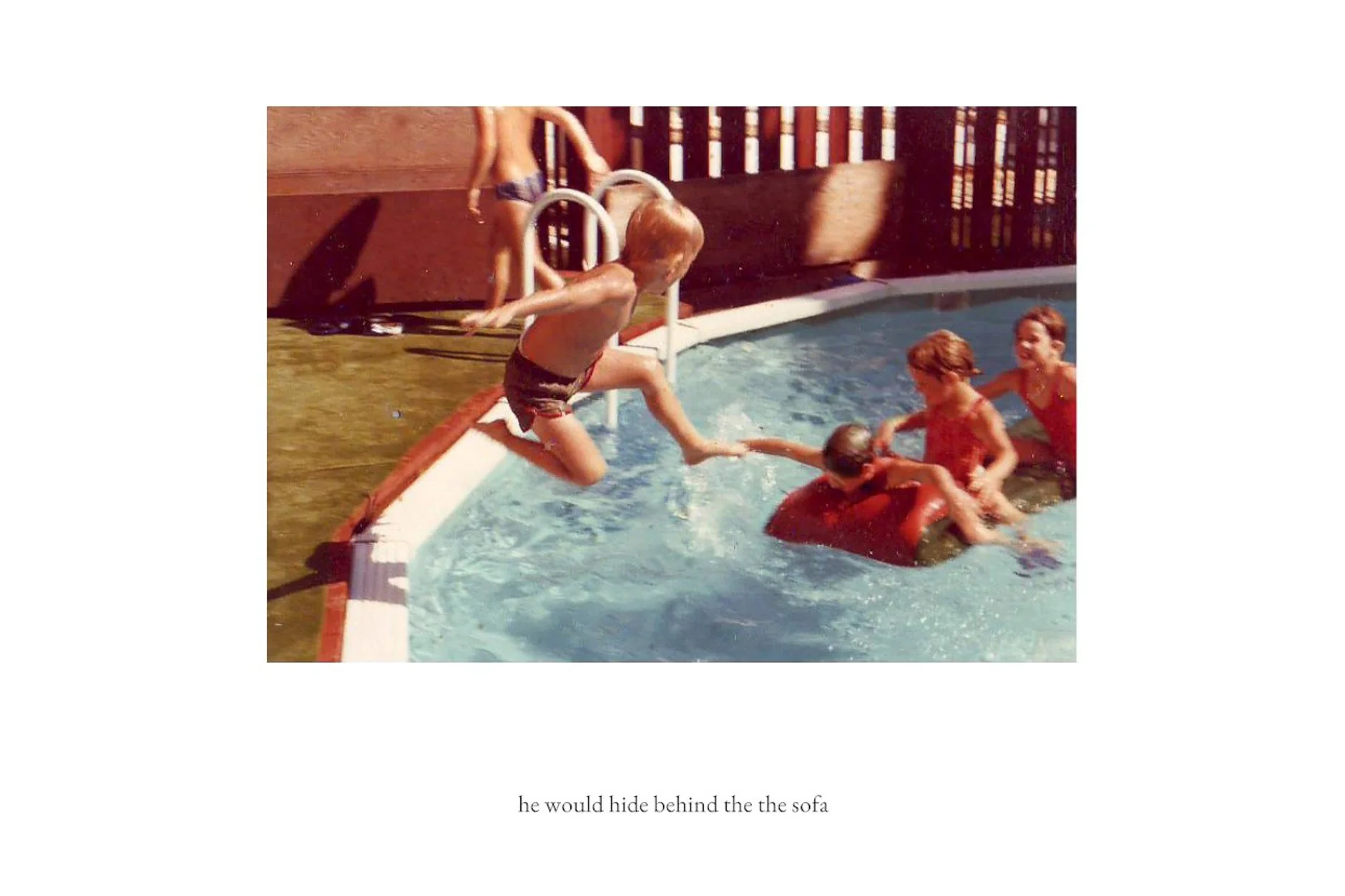
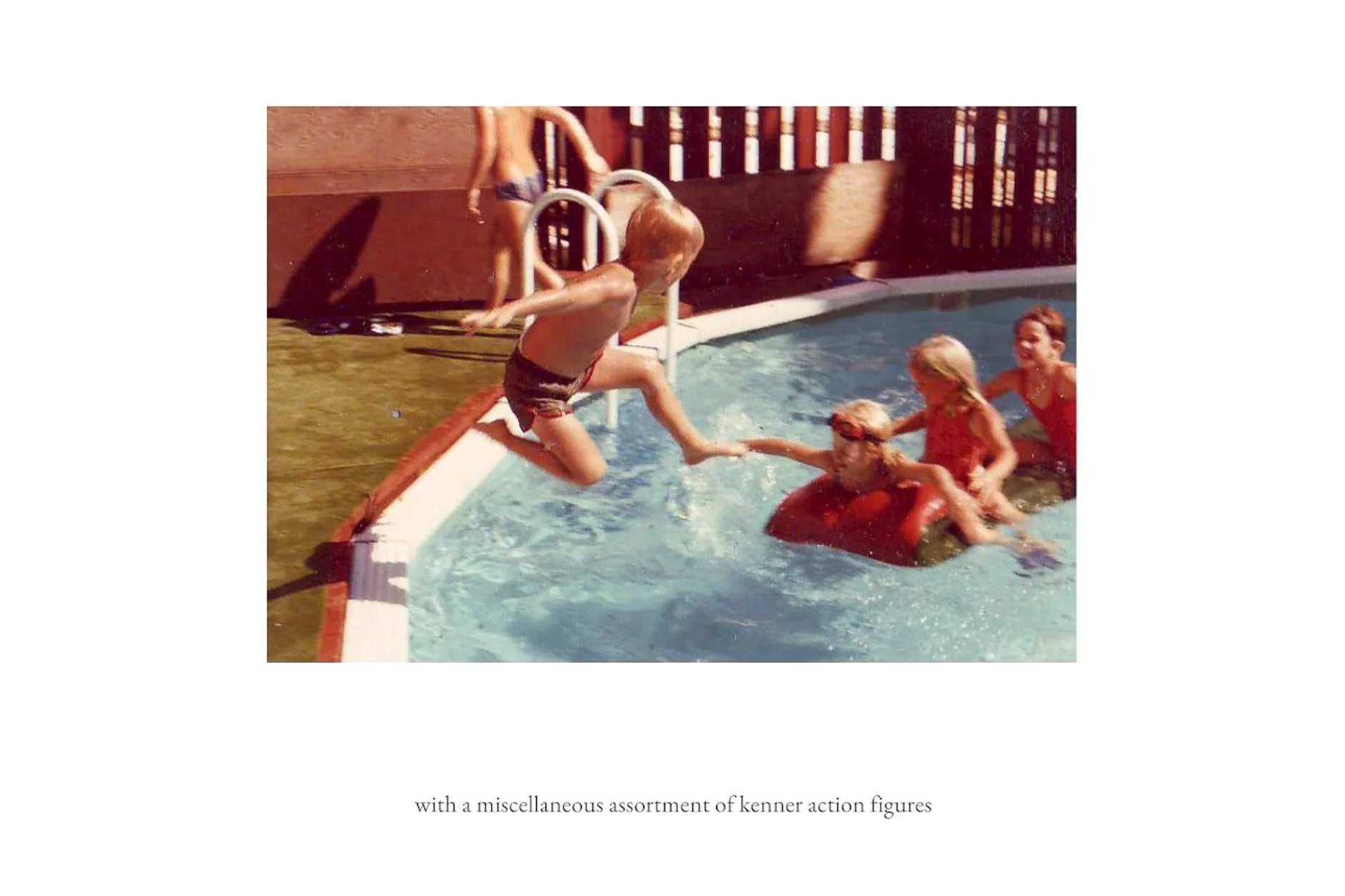
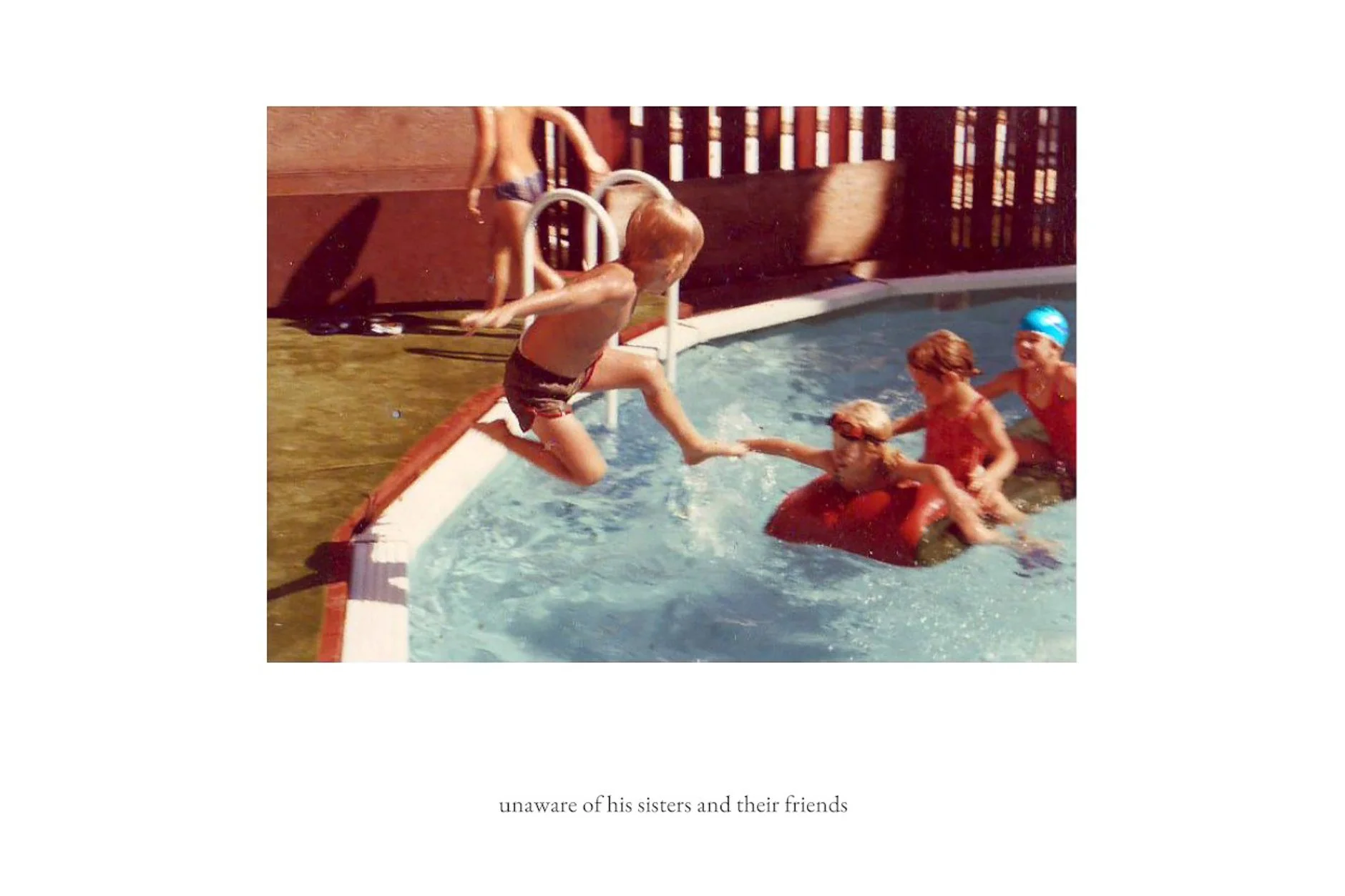
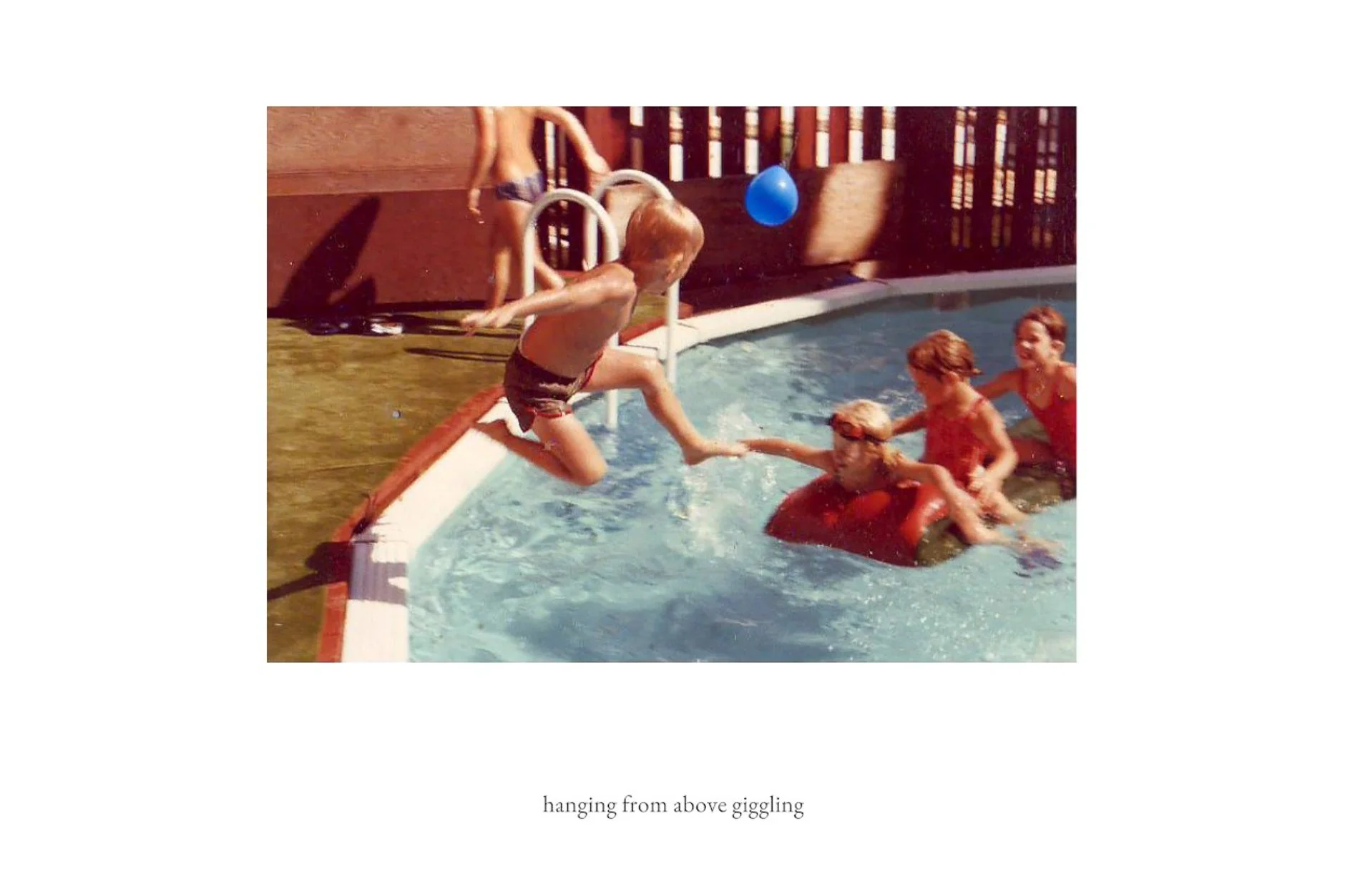
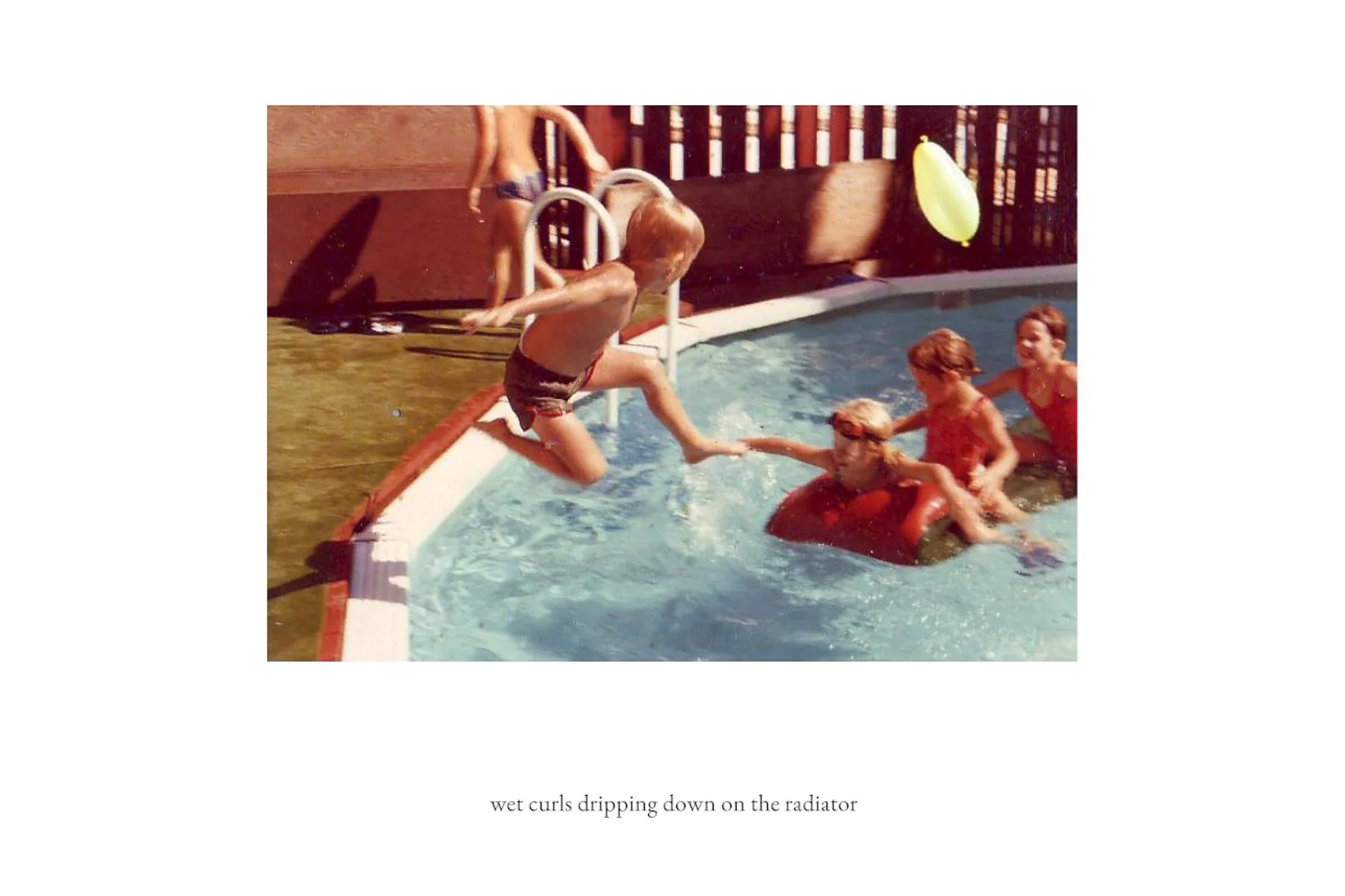
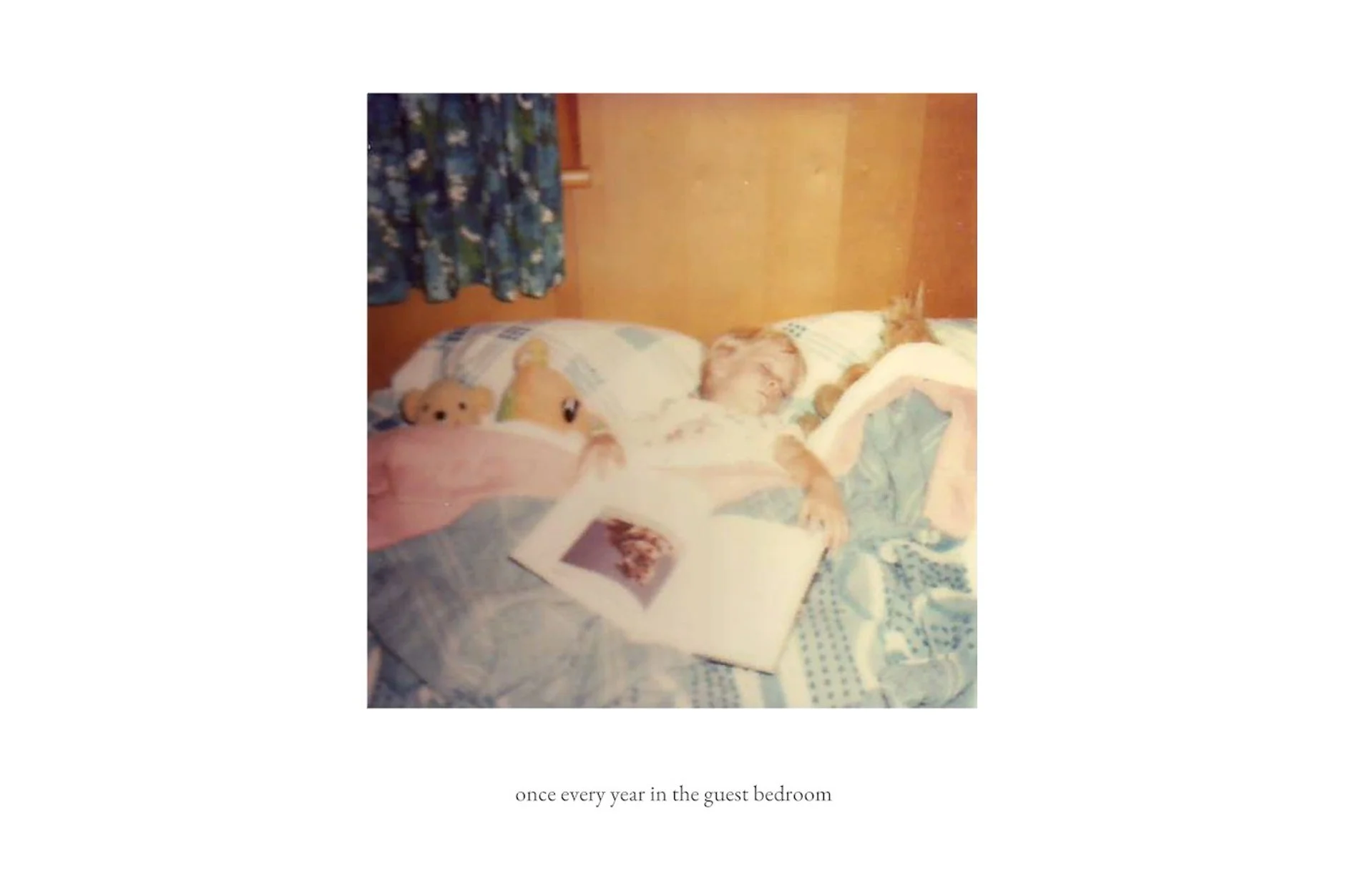
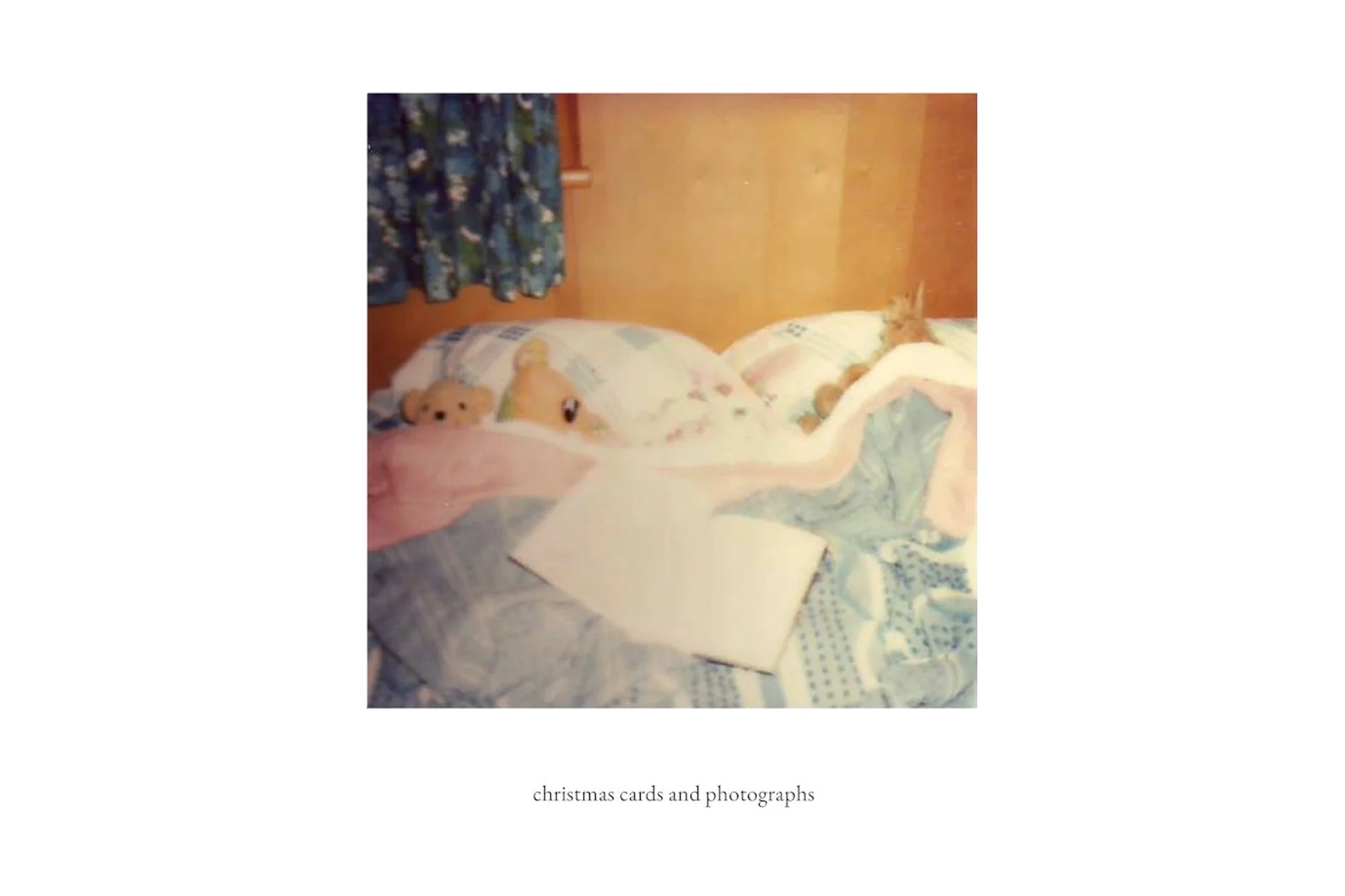
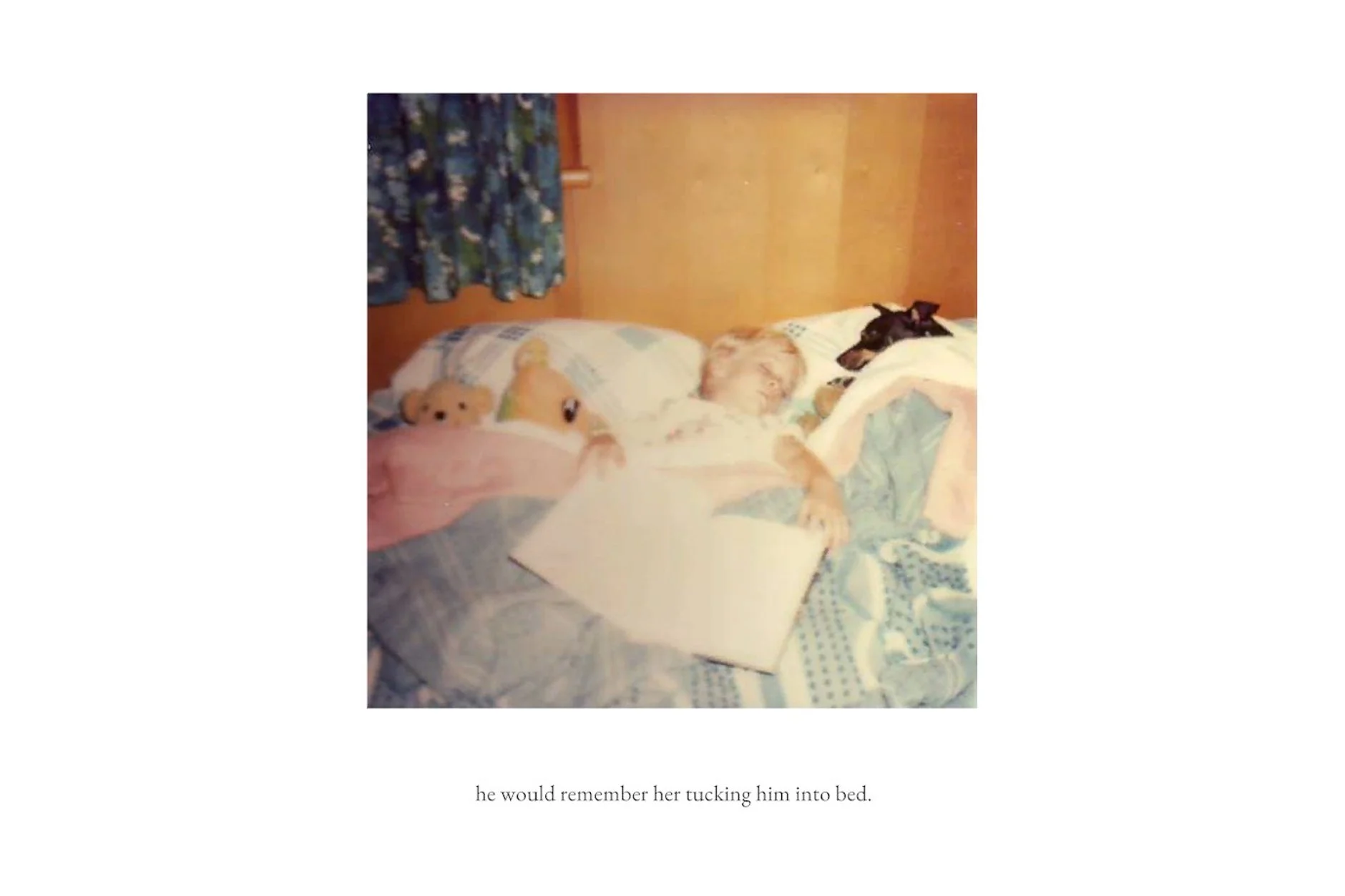
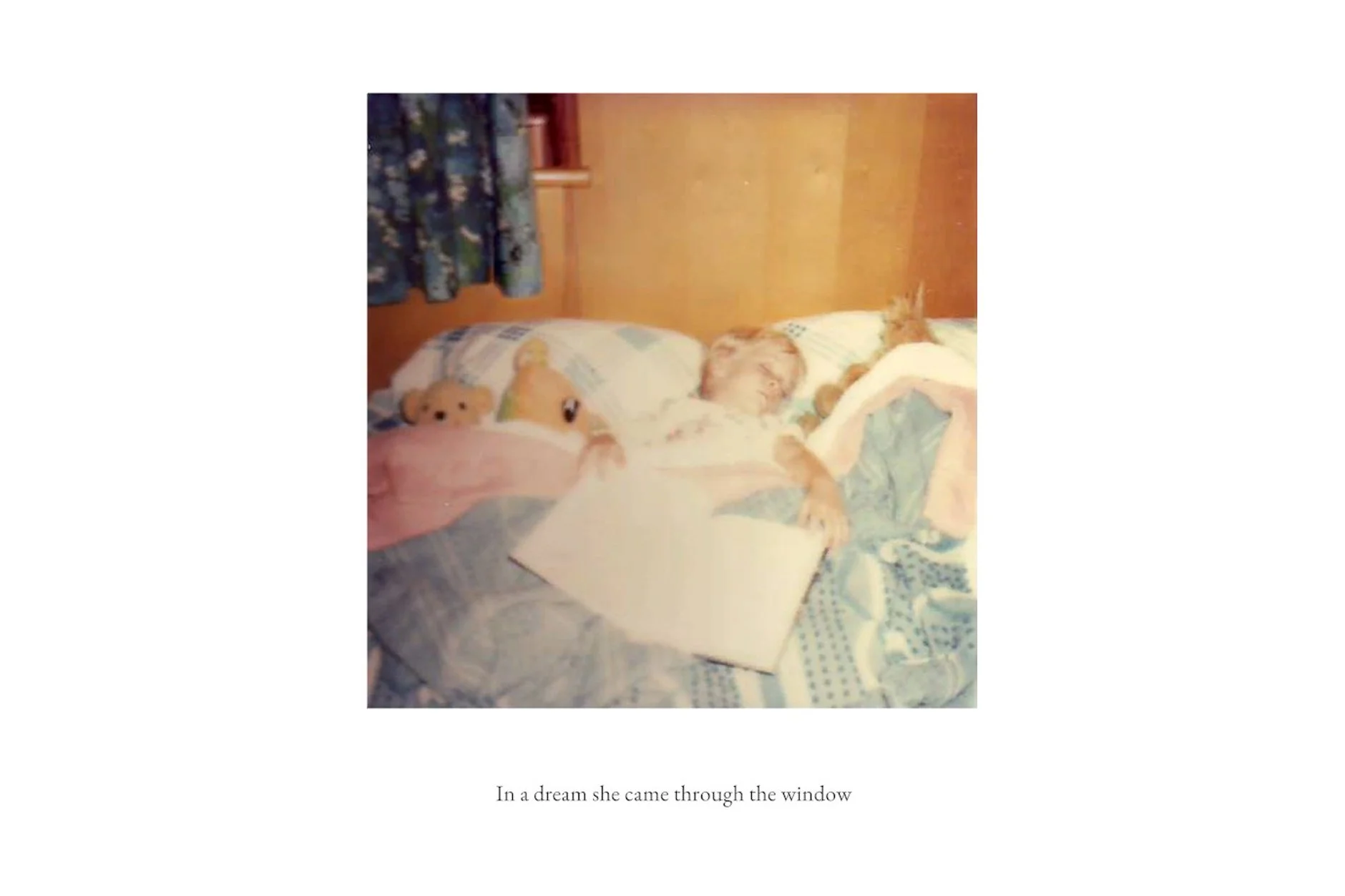
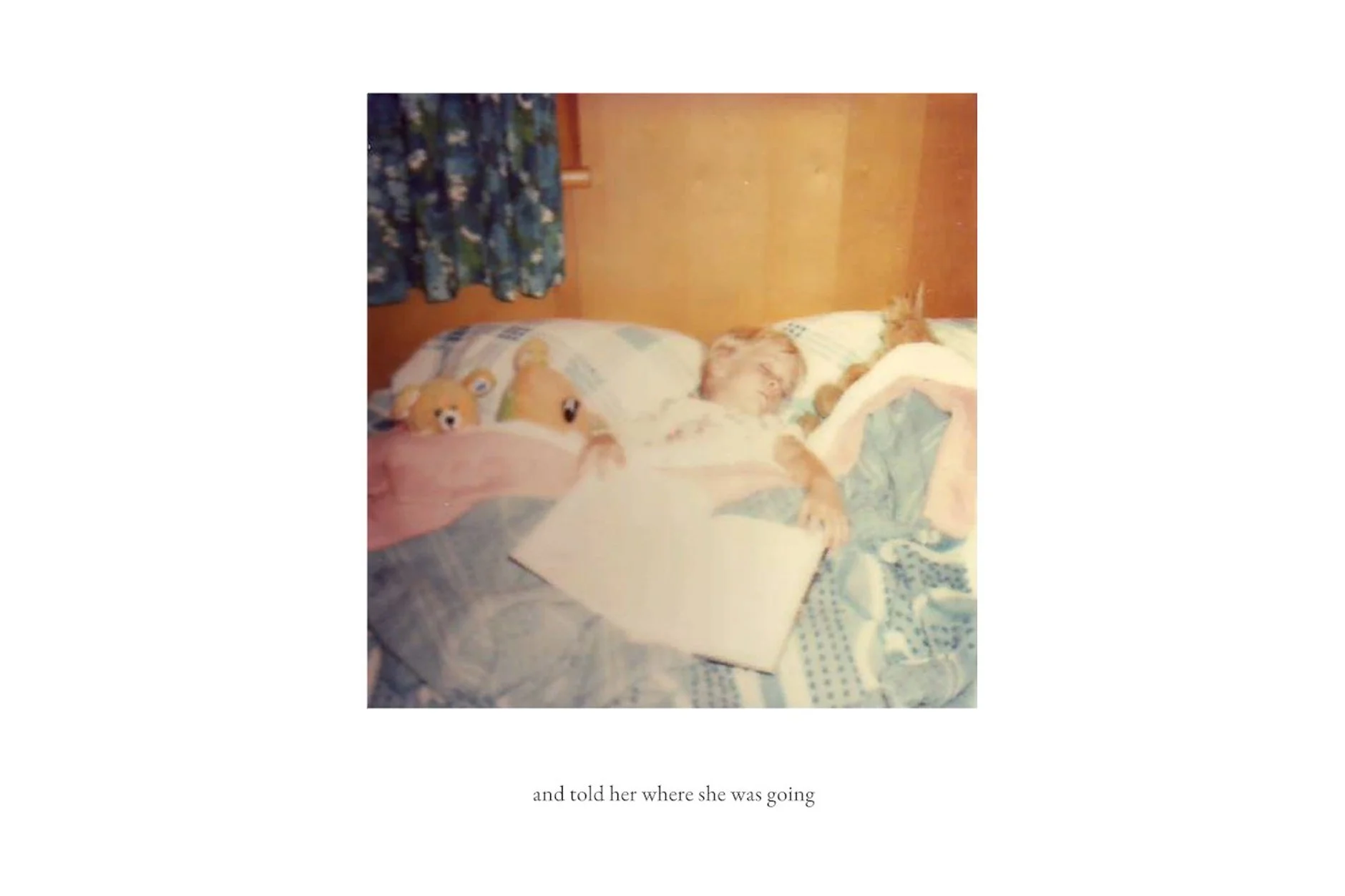
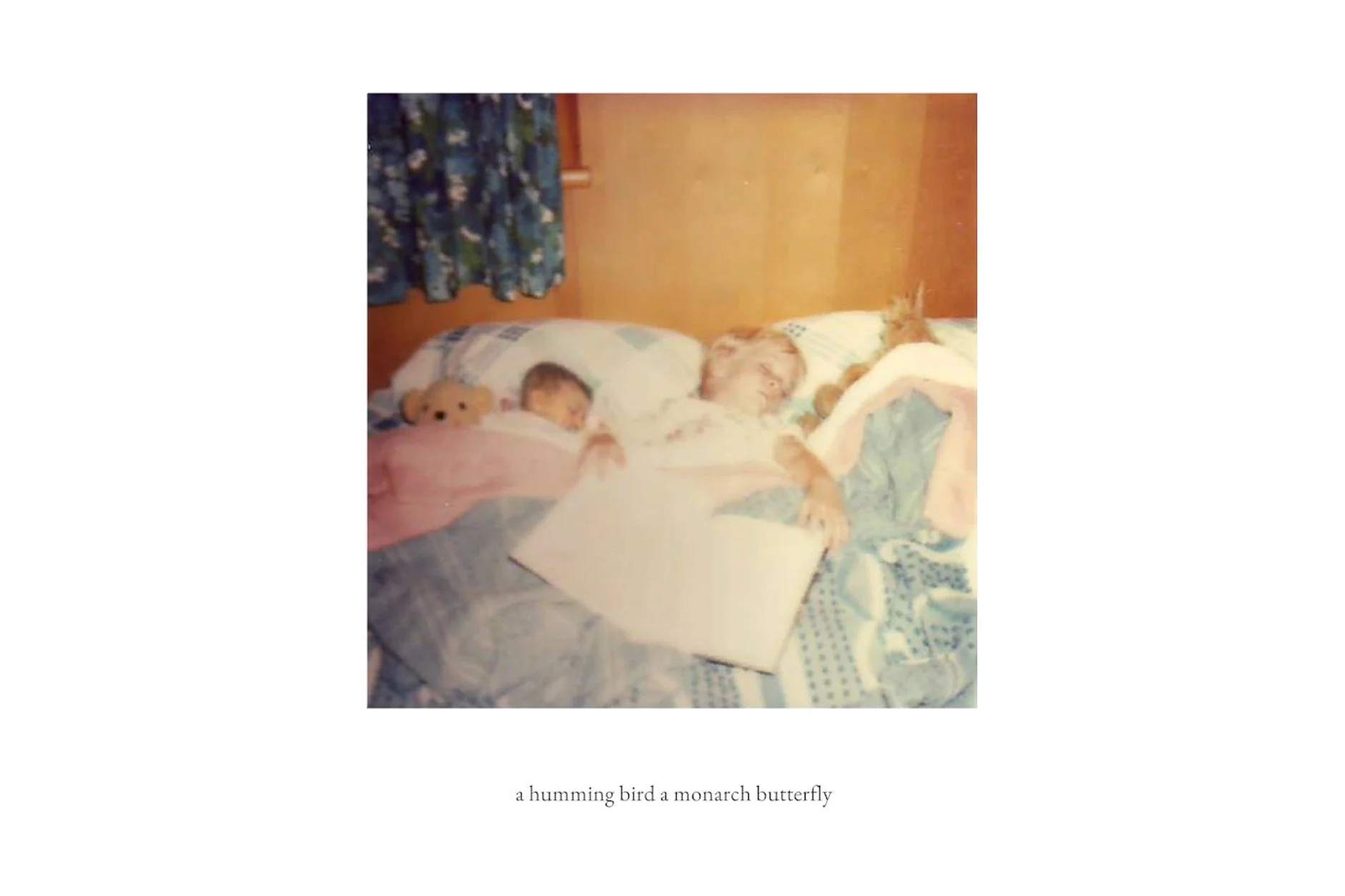
These developments have made interrogating the integrity of images more complicated as sight and perception become increasingly ill defined and the question of whether seeing is believing is as prescient as ever. Polygraph (2025) is representative of this concern, placing the sourceless inhumanity of AI image-making in conversation with the family archive, a photographic tradition inherently tied to real events and people.
Through the alien manipulation of the family snapshot’s warm familiarity, new fabricated narratives are activated. These anomalies sometimes contradict memory, other times logic, but all illuminate and transform the relationship between perception and belief. Images have now become as unreliable as the memories they used to represent.